
Running a washing centre is not just about machines and detergents — uninterrupted power supply plays a huge role in your daily operations. A sudden power cut can stop washing machines mid-cycle, damage equipment, delay customer orders, and hurt your business reputation.
That’s why choosing the right battery for washing centre owners is no longer optional — it’s a smart business investment.
In this blog, we’ll break down which battery is required for washing centres, how to choose the best one, costs involved, and tips to maximize battery life.
Why Washing Centre Owners Need a Reliable Battery Backup
Washing centres depend heavily on electricity for:
- Washing machines
- Dryers
- Hydro extractors
- Water pumps
- Ironing and folding equipment
- Lights, billing systems, and CCTV
Even a 10–15 minute power cut can create:
- Interrupted wash cycles
- Machine faults
- Increased maintenance costs
- Customer dissatisfaction
A proper battery backup ensures:
- Smooth operations during power cuts
- Protection for costly machines
- On-time delivery of clothes
- Professional business image
Types of Batteries Required for Washing Centre Owners
Choosing the correct battery depends on load, usage hours, and budget. Here are the most common options:
🔋 1. Tubular Batteries
Best suited for washing centres due to durability.
Advantages:
- Long life (4–6 years)
- Deep discharge capability
- Low maintenance
- Handles heavy loads well
Ideal for:
Small to medium washing centres
🔋 2. Lithium-Ion Batteries
Modern and high-performance option.
Advantages:
- Fast charging
- Compact size
- Longer lifespan (8–10 years)
- Zero maintenance
Disadvantages:
- Higher initial cost
Ideal for:
High-end or large commercial washing centres
🔋 3. SMF (Sealed Maintenance Free) Batteries
Advantages:
- No water topping
- Compact design
- Clean and spill-proof
Limitations:
- Shorter backup duration
- Lower lifespan compared to tubular batteries
Ideal for:
Backup for billing systems, lights, and small loads
How Much Battery Capacity Does a Washing Centre Need?
Battery size depends on:
- Number of machines
- Power rating of equipment
- Backup duration required
Typical Load Calculation Example:
- 2 Washing Machines (1.5 HP each)
- 1 Dryer
- Water pump
- Lights & billing system
Estimated load: 3–5 kVA
Recommended Battery Setup:
- 150Ah – 200Ah tubular batteries
- 4 to 8 batteries, depending on backup hours
- Paired with inverter or DG set
👉 For larger setups, batteries are often used along with silent DG sets for extended backup.
Battery Backup vs DG Set for Washing Centres
| Feature | Battery Backup | DG Set |
|---|---|---|
| Noise | Silent | Noisy (unless silent DG) |
| Fuel Cost | No | Diesel required |
| Short Power Cuts | Excellent | Not economical |
| Long Backup | Limited | Best option |
| Maintenance | Low | Moderate |
Pro Tip:
Most successful washing centre owners use battery backup for short cuts and DG sets for long power outages.
Benefits of Using the Right Battery in Your Washing Centre
Choosing the correct battery brings multiple business advantages:
- ✅ No machine damage during sudden shutdowns
- ✅ Zero production loss
- ✅ Faster order completion
- ✅ Reduced dependency on manual work
- ✅ Professional customer experience
- ✅ Lower repair and maintenance cost
Common Mistakes Washing Centre Owners Should Avoid
Avoid these costly errors when selecting batteries:
- ❌ Buying low-capacity batteries to save money
- ❌ Ignoring load calculation
- ❌ Using home inverter batteries for commercial use
- ❌ Skipping proper ventilation
- ❌ Delaying battery maintenance
Maintenance Tips to Increase Battery Life
Follow these simple steps to extend battery life:
- Check water levels monthly (for tubular batteries)
- Keep terminals clean and rust-free
- Avoid deep discharging regularly
- Ensure proper ventilation
- Use branded chargers/inverters
- Schedule periodic professional inspection
Well-maintained batteries can easily last 5+ years, giving you excellent ROI.
Cost of Battery Required for Washing Centre Owners (India)
Approximate pricing (may vary by brand and city):
- 150Ah Tubular Battery: ₹12,000 – ₹16,000
- 200Ah Tubular Battery: ₹16,000 – ₹22,000
- Lithium-Ion Battery: ₹60,000+ (depending on capacity)
- Inverter System: ₹10,000 – ₹30,000
💡 Tip: Always buy batteries with warranty and after-sales support.
How to Choose the Best Battery Supplier
Before purchasing, ensure the supplier offers:
- Load calculation assistance
- Branded batteries with warranty
- Installation support
- AMC and service availability
- Honest guidance (battery vs DG set)
A trusted supplier helps you avoid overspending and future breakdowns.
Final Thoughts: Battery Is the Backbone of Your Washing Centre
For washing centre owners, power backup is not an expense — it’s business insurance.
Choosing the right battery required for washing centre owners ensures:
- Consistent operations
- Happy customers
- Protected equipment
- Higher profits
Whether you run a small laundry shop or a large commercial washing centre, investing in the right battery system today will save you time, money, and stress tomorrow.
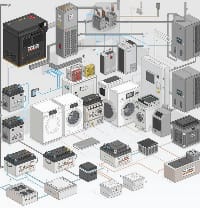
📌 Want help selecting the perfect battery or power backup solution for your washing centre?
Connect with a professional supplier and get expert guidance tailored to your business needs.
If you want, I can also:
- Add FAQs for SEO
- Optimize it for local keywords
- Rewrite it in a more sales-focused tone
- Add internal linking suggestions
Just tell me 👍