
ONDA Body Contouring in Korea: Your Gentle Path to a Smoother Silhouette
ONDA body contouring Korea is a non-invasive microwave treatment that precisely melts stubborn fat while tightening skin through controlled thermal energy. Unlike harsh surgical methods, this cutting-edge Korean technique zeroes in on problem areas like the abdomen and thighs, delivering a sculpted silhouette without downtime or pain. With each session, you destroy fat cells permanently and stimulate collagen for smoother, firmer contours—making it the ultimate choice for rapid, visible body transformation. Simply schedule a few quick sessions and watch your shape refine naturally, week after week.
What Exactly Is ONDA Body Contouring and How Does It Work?
ONDA body contouring in Korea is a non-invasive microwave-based treatment that precisely heats and eliminates deep fat layers without touching the skin’s surface. Unlike lasers or ultrasound, ONDA uses a focused 2.45GHz microwave frequency to selectively target adipose tissue, raising its temperature to a level that disrupts fat cell membranes while cooling the skin to protect it. This thermal damage triggers apoptosis—your body naturally processes and flushes out the destroyed cells over several weeks. In Korean clinics, sessions are typically short (30–45 minutes) with no downtime, making it a popular lunchtime procedure. Because it works on deeper, stubborn fat—like abdominal or love-handle areas—patients often see visible inches lost within three to six weeks, with optimal results by eight weeks. The sensation feels like a deep, warm massage rather than pain.
The Dual-Wave Technology Behind the Treatment
At the core of ONDA body contouring in Korea lies its dual-wave technology, which sequentially deploys two distinct radiofrequency frequencies to target subcutaneous fat without damaging the skin’s surface. The first, a shorter wavelength, generates immediate thermal energy in the deep dermis, pre-tensing collagen fibers and minimizing tissue resistance. The second, a longer wavelength, then penetrates into the adipocyte layer, inducing controlled apoptosis (fat cell death) while the cooled sapphire tip protects the epidermis from thermal injury. This frequency pairing allows for precise energy deposition—selectively heating fat cells to 45–50°C—while keeping surrounding nerves, blood vessels, and fascia intact. The result is a non-invasive reduction of localized fat pockets, with the body naturally clearing disrupted cells over subsequent weeks. Unlike single-frequency devices, this two-step thermal cascade reduces pain and post-treatment swelling, making it suitable for sensitive areas like the abdomen, flanks, and inner thighs.
- Shorter wave pre-tenses collagen to reduce tissue resistance before fat heating.
- Longer wave targets adipocytes at 45–50°C to trigger apoptosis without skin burns.
- Sapphire tip cooling maintains epidermal safety during both wave phases.
Why This Approach Differs from Traditional Fat-Freezing or Ultrasound
Unlike traditional fat-freezing or ultrasound, ONDA body contouring in Korea uses microwaves to heat the deep fat layer instantly, which means you bypass the lengthy, often uncomfortable downtime of cryolipolysis. Where freezing requires stubborn fat cells to crystallize and die over weeks and ultrasound can only deliver focused energy with frequent retreatment, ONDA’s thermal energy collapses the cell membrane immediately, prompting the body to flush it out faster. You also avoid the numbness, bruising, or pain associated with suction-based applicators, offering a more dynamic, precise treatment for fibrous areas like the abdomen or flanks, with results visible in a single session rather than a gradual, waiting game.
What Results Can You Realistically Expect After a Session?
After a single ONDA body contouring session in Korea, you will not see dramatic fat loss immediately. The initial result is mild tissue tightening and a subtle sensation of warmth, with minimal downtime allowing you to resume daily activities right away. Realistic expectations center on the body’s natural inflammatory response: over the following two to three weeks, the treated area may feel slightly swollen, and you might notice a faint, contoured smoothing effect as collagen begins to contract. The most visible change—a reduction in localized fat thickness—typically emerges around four to six weeks post-session. Since ONDA selectively heats the dermis and subcutaneous layers, a single visit yields roughly a 20–30% improvement in fat firmness, not full elimination. For optimal body contouring results, Korean practitioners recommend a series of three sessions spaced four weeks apart, with final outcomes visible at three months.
Immediate Tightening vs. Long-Term Fat Reduction Timeline
Right after an ONDA session in Korea, the first thing you’ll notice is immediate skin tightening—a firm, lifted sensation driven by collagen contraction under the heat, visible within minutes. But don’t mistake that quick snap for the fat-loss finale. Long-term fat reduction runs on a separate, slower clock: over 8–12 weeks, your body clears disrupted fat cells, with the deepest contour changes surfacing around month three. The tightening effect often peaks early, then softens slightly as your skin remodels, while fat loss builds quietly in the background. So, expect a two-phase journey—instant gratification for skin, delayed but durable results for fat.
- Immediate tightening: collagen shrinks on the spot, lasting 1–3 days as your skin recalibrates.
- Fat reduction timeline: noticeable at week 4, optimal at week 10–12, continuing up to month 4.
- Tightening can regress if you lose skin elasticity, while fat loss is permanent once the cells are eliminated.
- Most patients in Korea book follow-ups at week 6 to boost the fat-clearing phase, not the tightening phase.
How Many Sessions Are Needed for Visible Changes
Most people start noticing **visible changes after the first ONDA session**, but the real shift typically appears around the third treatment. Since ONDA works by heating deeper fat layers while tightening skin, your body needs a few weeks to flush out the disrupted fat cells. For stubborn areas like the abdomen or thighs, plan on 3–5 sessions spaced 2–3 weeks apart for results you’d call genuinely noticeable. Here’s a rough timeline you can expect:
- After 1 session: subtle firmness, but no obvious fat loss yet.
- After 2–3 sessions: visible contour change, especially if you’re already lean.
- After 4–5 sessions: maximum recommended effect, with smoother, tighter skin.
Your age, skin elasticity, and how much fat you’re targeting will shift this range, but most clinics in Korea suggest a small maintenance session every 6–12 months if you want to keep the look.
What Areas Respond Best to This Specific Device
The most dramatic, measurable results from ONDA in Korea appear consistently on the **lower abdomen and love handles**, where the controlled microwave energy targets subcutaneous fat without damaging the dermis. This device responds best to pinchable, soft-fat deposits rather than visceral fat, making the flanks, bra line, and inner thighs equally ideal candidates. The upper arms and knees show visible reduction, though they require more sessions due to thinner fat layers. For optimal outcomes, practitioners here prioritize:
- Stubborn lower-belly bulges that resist diet and exercise
- Post-pregnancy abdominal laxity with residual fat
- Male chest fat and back rolls, where skin tightening accompanies fat loss
These zones consistently yield a smoother, more contoured silhouette after 3–4 sessions.
How to Choose the Right Clinic in Korea for the Procedure
When selecting a clinic for ONDA body contouring Korea, prioritize providers who demonstrate deep familiarity with the device’s unique 360° radiofrequency technology rather than generic slimming lasers. Ask directly how many ONDA procedures they perform weekly and request before-and-after photos from patients with your specific body type and skin laxity, as this reveals their skill in adjusting depth and energy for visceral fat versus superficial tightening. Verify that the clinician—not just a sales consultant—conducts your consultation and personally maps your treatment zones using the device’s real-time thermal feedback system. Also, confirm they offer a customized session plan based on your BMI and pain tolerance, since excessive sessions waste money while under-treatment yields poor results. Finally, read recent Korean-language reviews on platforms like Naver to gauge post-care follow-up, especially for managing mild swelling, as clinics with dedicated recovery protocols consistently achieve smoother outcomes.
Key Questions to Ask About Machine Settings and Operator Experience

When evaluating clinics for ONDA body contouring in Korea, ask directly about the device’s energy parameters—specifically the frequency and power level—because settings are not one-size-fits-all. Inquire how the operator calibrates the handpiece for your specific fat layer thickness and pain tolerance, and request the exact protocol they intend to use. Crucially, question the operator’s hands-on experience: how many ONDA procedures have they personally performed, and what training did they complete on this exact model? Vague answers about “standard settings” should raise a red flag, as optimal results hinge on individualized adjustments. Confirm whether they adjust intervals between pulses based on your real-time feedback during the session.
- Ask for the specific joule and hertz values they plan to use and why those fit your case.
- Request their complication or revision rate for ONDA specifically, not general body procedures.
- Probe how they modify settings for different body areas—abdomen versus thighs—based on skin thickness.
- Verify if they perform a patch test and re-tune settings after observing your initial reaction.
Operator experience directly dictates safety margins, so demand a session count and before-and-after cases they personally treated.
Reading Before-and-After Photos: What to Look For

When reading before-and-after photos for ONDA body contouring in Korea, first verify the lighting and angle consistency between images, as subtle shifts can exaggerate fat reduction. Examine the same anatomical landmark—like a waist crease or hip bone—to gauge true volume loss rather than posture tricks. Look for skin texture changes: ONDA’s radiofrequency should show mild tightening, not dimpling or burns. Check the patient’s stated number of sessions and time elapsed post-treatment; results at two weeks differ drastically from six months. Also, compare photos against the clinic’s device settings—be wary of extreme contour changes that suggest liposuction instead of ONDA alone, which produces gradual, modest reductions.

Red Flags That Signal a Subpar Treatment Plan
A subpar treatment plan for ONDA body contouring in Korea becomes visible when the clinic offers a one-size-fits-all session count before assessing your fat thickness, skin laxity, or metabolic profile. If they skip a detailed skin analysis or refuse to explain how ONDA’s radiofrequency energy differs from laser or cryolipolysis for your specific concern, treat that as a red flag. Another warning sign is a plan that targets a huge area like the entire abdomen with a single handpiece setting, ignoring the need for varied energy levels across zones. Be equally wary of pricing that bundles unlimited sessions vaguely, since effective ONDA protocols require precise spacing of 4–6 weeks. Finally, if the practitioner cannot state the expected downtime, pain level, or likely percentage of fat reduction for your body type, you are receiving an improvised, red flag signaling a subpar treatment plan.
How to Prepare and Care for Your Skin Before and After Treatment
Before an ONDA body contouring session in Korea, hydrate thoroughly for 48 hours and avoid retinoids, acids, or harsh physical scrubs on the target area for five days to prevent sensitization. Arrive with clean, oil-free skin; do not apply lotions, perfumes, or deodorant near the treatment zone, as the radiofrequency energy interacts best with bare, dry tissue. Immediately after, expect mild warmth and redness—apply a cooling gel or aloe vera, but avoid ice directly on the skin for the first hour. For the following week, use only gentle, fragrance-free moisturizers and SPF 50+ if the area is exposed, since thermal stress temporarily compromises barrier function. Do not massage or foam-roll the treated zone for 72 hours, allowing collagen remodeling to begin undisturbed. Shower with lukewarm water and pat dry rather than rubbing. *The subtle, cumulative outcome of ONDA hinges more on consistent post-treatment hydration than on any single pre-care ritual.* Resume normal exfoliation only after seven days, and maintain a steady water intake to support lymphatic clearance.
Do’s and Don’ts in the Week Leading Up to Your Appointment
In the seven days before your ONDA body contouring session in Korea, prioritize hydration by drinking at least two liters of water daily, as this optimizes tissue conductivity for the radiofrequency waves. Do avoid alcohol and caffeine for 72 hours prior, since both dehydrate the dermis and dull treatment response. Do exfoliate the target area gently every other day, but stop applying active retinoids or acids 48 hours pre-appointment to prevent sensitization. Do discontinue NSAIDs, aspirin, and omega-3 supplements exactly five days ahead to minimize bruising risk. Do not book laser hair removal, intense workouts, or sauna use within 24 hours—these elevate core temperature and interfere with baseline skin assessment. Do arrive with clean, product-free skin; skip lotions and perfumes on the morning of treatment.
Summary: Hydrate daily, skip alcohol/caffeine for 72h, stop retinoids/NSAIDs, avoid heat-based activities, and arrive with bare skin.
Managing Mild Redness, Swelling, or Tenderness Afterwards
After ONDA body contouring in Korea, mild redness, swelling, or tenderness typically peaks within the first 24–48 hours and subsides naturally. Apply a cool compress for 10-minute intervals to soothe the treated area and reduce puffiness, avoiding ice directly on the skin. Keep the skin hydrated with a fragrance-free moisturizer, which supports barrier repair, while over-the-counter arnica or bromelain can gently ease lingering tenderness. Consistent lymphatic drainage massage—performed by your Korean clinic’s specialist—accelerates fluid clearance and minimizes swelling duration. Wear loose, soft clothing to prevent friction against sensitive skin. Light walking is beneficial, but strenuous exercise should wait until tenderness fully resolves, usually by day three. If redness intensifies beyond five days, contact your Seoul-based practitioner promptly for a tailored anti-inflammatory protocol.
How to Maximize Results with Hydration and Light Movement
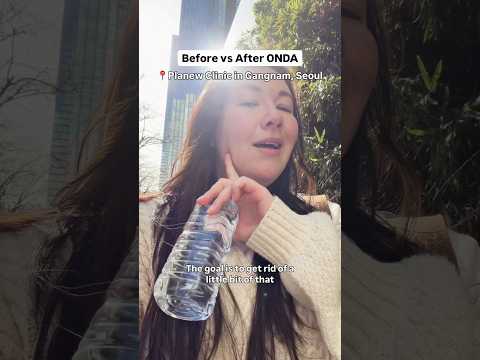
To maximize results after ONDA body contouring in Korea, prioritize hydration by drinking 1.5–2 liters of water daily, as this supports lymphatic drainage and helps flush emulsified fat cells from the treated area. Begin light movement—such as walking or gentle stretching—within 24 hours post-session to stimulate circulation and reduce stiffness, but avoid intense exercise for 48–72 hours. Schedule hydration consistently: sipping water every hour, not all at once, prevents bloating while aiding tissue recovery. Pair each light movement session with a hydration break to maintain steady fluid turnover. Consistent hydration paired with daily light movement directly accelerates swelling reduction and enhances contour smoothing. Follow this sequence: 1) Drink 250ml water immediately after treatment, 2) walk 10–15 minutes two hours later, 3) repeat water intake every 90 minutes until bedtime, 4) resume normal activity gradually the next day.
What Does the Treatment Feel Like, and Is It Worth the Cost?
During ONDA body contouring in Korea, most patients describe the sensation as a deep, localized warmth rather than sharp pain—the cooled handpiece keeps the surface comfortable while the microwave energy heats the dermis and fat layer. You’ll feel a gradual, prickly heat during each pulse, which peaks for a few seconds then fades; discomfort stays manageable, though lower-abdomen or flank areas can feel more intense. Is it worth the cost? For those seeking skin tightening plus modest fat reduction without surgery or downtime, yes—clinics in Korea typically price per area lower than US equivalents, and you see visible firmness improvements after 2–3 ONDA lifting seoul sessions, with results peaking around three months. *Q: Does it hurt?* A: No anesthesia is needed; it’s a warm, tolerable sensation with mild redness that resolves within hours. Ultimately, if your main goal is non-invasive remodeling with minimal interruption, the expense is justified by the lack of scarring and the lasting collagen response—but you must commit to multiple sessions for real payoff.
A Step-by-Step Walkthrough of a Typical Session
Your ONDA session in Korea starts with a quick skin assessment, then you lie down as the practitioner glides the cooled handpiece over the target area—you’ll feel a warm, prickling sensation that deepens as the radiofrequency energy penetrates fat layers. Each pass lasts 10–15 minutes per zone, with the device’s real-time temperature readout prompting the tech to adjust pressure on problem spots. Most sessions feel like a hot-stone massage with occasional sharp zings, and you’re free to scroll your phone throughout. Expect 30–45 minutes total, followed by a brief cool-down gel application. No downtime means you can walk out and resume sightseeing immediately, though you’ll notice mild redness for an hour.
A typical ONDA session is a 30–45 minute, low-discomfort process combining cooled handpiece gliding, progressive heat buildup, and real-time adjustments—ending with zero recovery time.
Comfort Level and Pain Score Compared to Similar Procedures
Most patients rank ONDA’s comfort level around a **2–3 out of 10** for pain, far below the 6–7 often reported for liposuction or aggressive RF needling. Unlike conventional treatments that cause a sharp, pinching sting, ONDA’s cool-tipped applicator delivers a deep heating sensation that feels like a hot stone massage, not a burn. Compare this to CoolSculpting’s intense cold ache or HIFU’s jolting pricks—ONDA’s pulsed waves are notably more tolerable, with zero downtime. Post-procedure soreness mimics a mild workout, not the bruising of suction-based methods. For pain-sensitive patients, this lower score makes ONDA a clear winner in procedural comfort.
With pain scores half that of liposuction and a warm, massage-like feel, ONDA’s comfort level outranks similar body-contouring procedures, making it the least intimidating option for anxious patients.
Estimating the Price per Session and How to Spot Package Deals
To estimate ONDA body contouring costs in Korea, expect per-session pricing that scales with treatment area—typically starting around ₩150,000–₩300,000 for a small zone like the chin, while full abdomen or thigh packages can push ₩500,000+ per visit. Spot package deals by requesting a breakdown: clinics often bundle 3–5 sessions with a free consultation or a 10–20% discount, but always confirm the total wattage and number of passes included—not just the session count. Watch for “promotional” prices that exclude anesthesia cream or post-care cooling masks, which add ₩20,000–₩50,000. Transparent pricing means the quote lists per-area energy levels and expected downtime. Ask: **What exactly does one session cover, and are package sessions identical in intensity to single purchases?** If the deal requires prepayment, verify refund policies before committing—this protects you from paying for sessions you might not need.